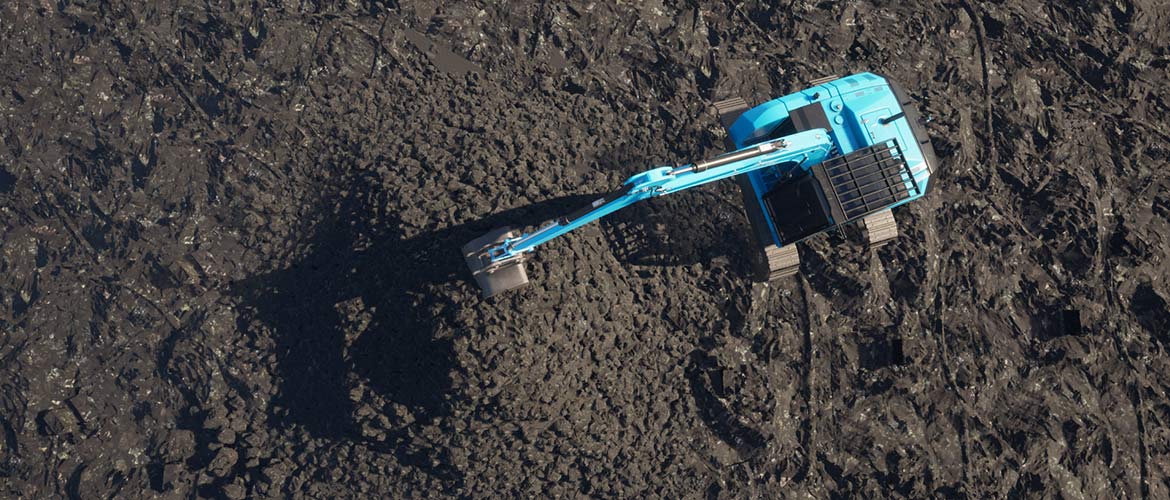
Coal
Coal is found in the Earth's crust, which is the outer layer of the planet. It is usually located underground in large deposits called coal seams. Geologists and mining companies explore areas where coal might be present by studying the Earth's rocks and looking for specific geological features that indicate the presence of coal. They may use various tools and techniques, such as drilling and seismic surveys, to gather information about the underground rock layers and find coal deposits.
Coal and petroleum (or crude oil) are both fossil fuels, but they have significant differences in their composition, formation, and properties.
Once a coal deposit is located, mining is the process of extracting coal from the ground. There are two primary methods of mining coal:
Surface Mining: In surface mining, also known as open-pit mining, the layers of soil and rock covering the coal seam are removed to access the coal underneath. Large machines, like excavators and bulldozers, are used to remove the topsoil and expose the coal. The coal is then extracted and loaded onto trucks for transportation to processing facilities.
Underground Mining: In underground mining, tunnels are dug deep into the Earth to reach the coal seam. Miners use specialized equipment to extract the coal from the underground mine. This can include machines that cut into the coal seam and others that carry the coal to the surface. Underground mining requires careful planning and safety precautions to ensure the well-being of the miners.
Using Coal
Coal is used for various purposes, including:
Electricity Generation: One of the primary uses of coal is for generating electricity. Coal is burned in power plants to heat water and produce steam. The steam drives turbines connected to generators, which convert the energy into electricity. The electricity is then distributed through power lines to homes, schools, and businesses.
Industrial Processes: Coal is used in industries for processes such as steel production, cement manufacturing, and chemical production. It can provide high heat energy, which is important in these processes.
Residential and Commercial Heating: In some places, coal is used as a heating fuel in homes and commercial buildings. It can be burned in stoves, furnaces, or boilers to produce heat for warmth during colder months.
Upsides of Coal
1
Abundant and Reliable:
Coal is a widely available and abundant energy resource. There are large reserves of coal in many countries, making it a reliable source of energy for electricity generation and industrial processes. Its availability helps ensure a stable and consistent energy supply.
Coal has historically been a relatively inexpensive source of energy compared to other fossil fuels, such as natural gas and oil. This affordability has made coal a preferred choice for electricity generation in some regions, especially where other energy sources may be limited or more costly.
3
Energy Security and Independence:
Energy Security and Independence: Countries with significant coal reserves can rely on domestic coal production, reducing their dependence on imported energy sources. This enhances energy security and allows for greater control over energy prices and availability.